Importance of AVI SOPs
The importance of proper SOPs for managing AVI handling at any airport or for any airline.
Passenger Sector
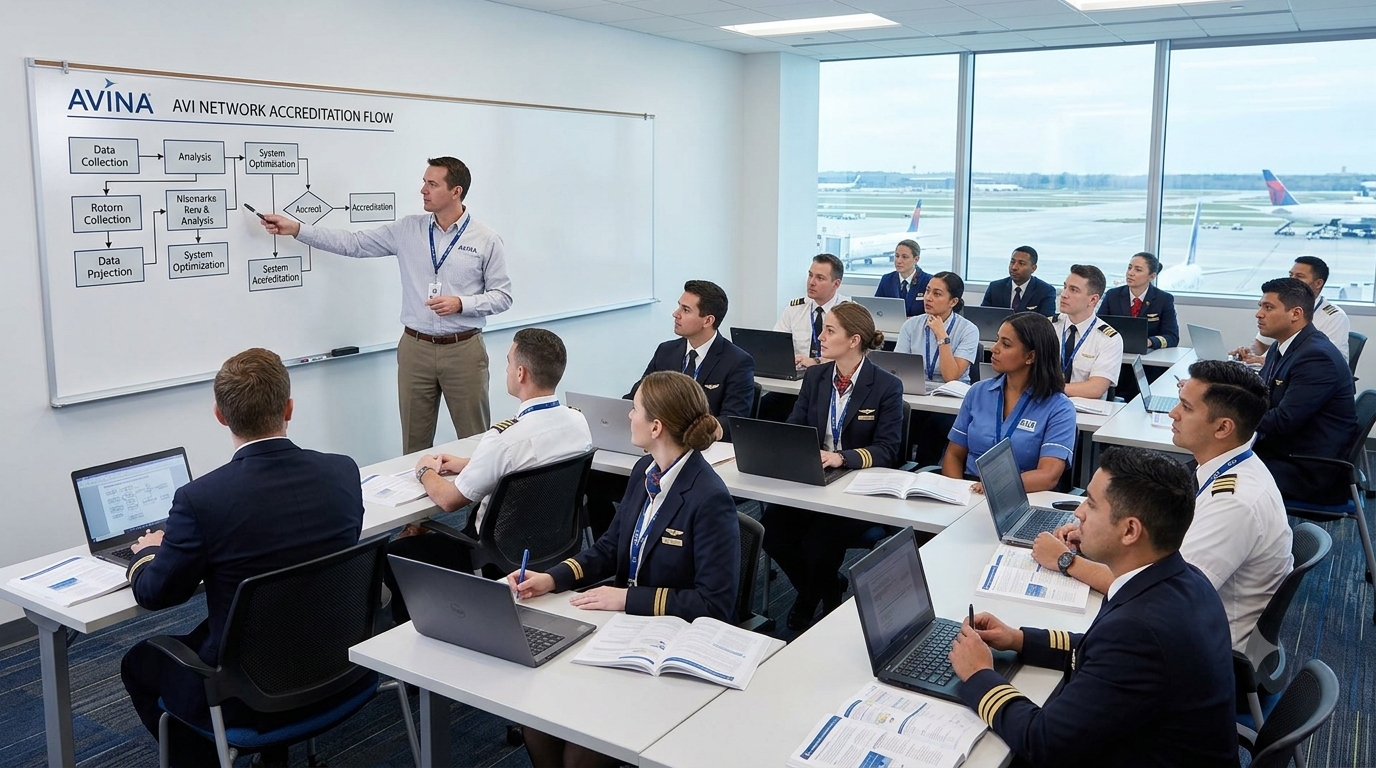
In the passenger sector, robust Standard Operating Procedures (SOPs) for AVI handling are the bedrock of brand trust, directly influencing customer loyalty and public reputation. For travelers, pets are not mere baggage—they are family members. When airport hubs implement clear, bulletproof SOPs aligned with IATA’s Live Animals Regulations (LAR), they mitigate the immense emotional and operational risks of animal stress, escape, or injury. A seamless check-in-to-cabin protocol guarantees climate-controlled transit, precise tarmac timing, and specialized ground crew intervention. This elevates the overall passenger experience, transforming a high-anxiety travel day into a powerful marketing differentiator that positions your airport as a premium, compassionate hub.
Cargo Operations
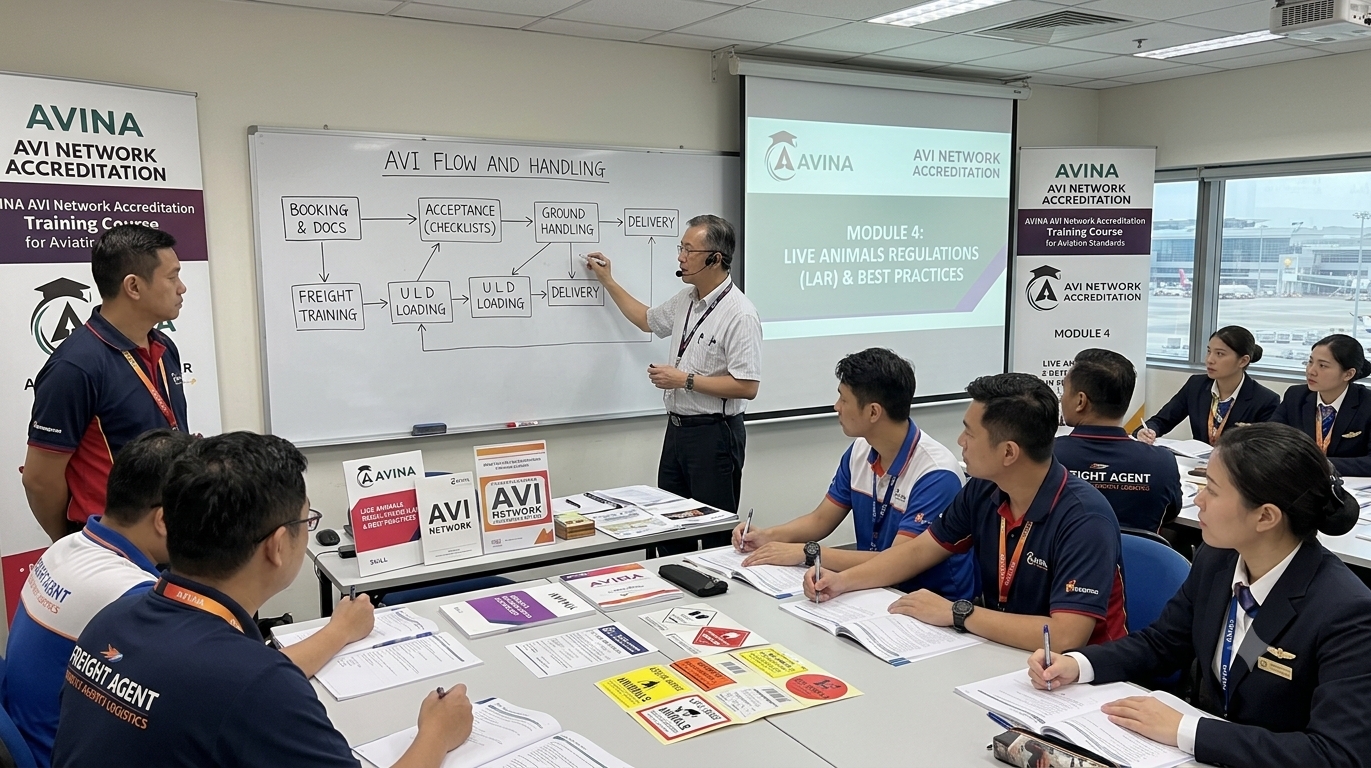
On the commercial freight side, rigorous AVI SOPs are a critical driver of B2B revenue and logistics excellence. The transport of high-value livestock, exotic species, and racehorses demands an industrial-grade framework governing temperature monitoring, bio-security, and emergency veterinary response. Standardized procedures ensure absolute compliance with global trade laws, drastically reducing the risk of cargo loss, legal liabilities, or costly regulatory delays at customs. By demonstrating a flawless, auditable record of animal welfare and logistical precision, airport structures can successfully market themselves as elite, certified transit corridors capable of securing lucrative, long-term contracts with global agricultural, pharmaceutical, and competitive equestrian enterprises.