AVI Global Standards

AVI
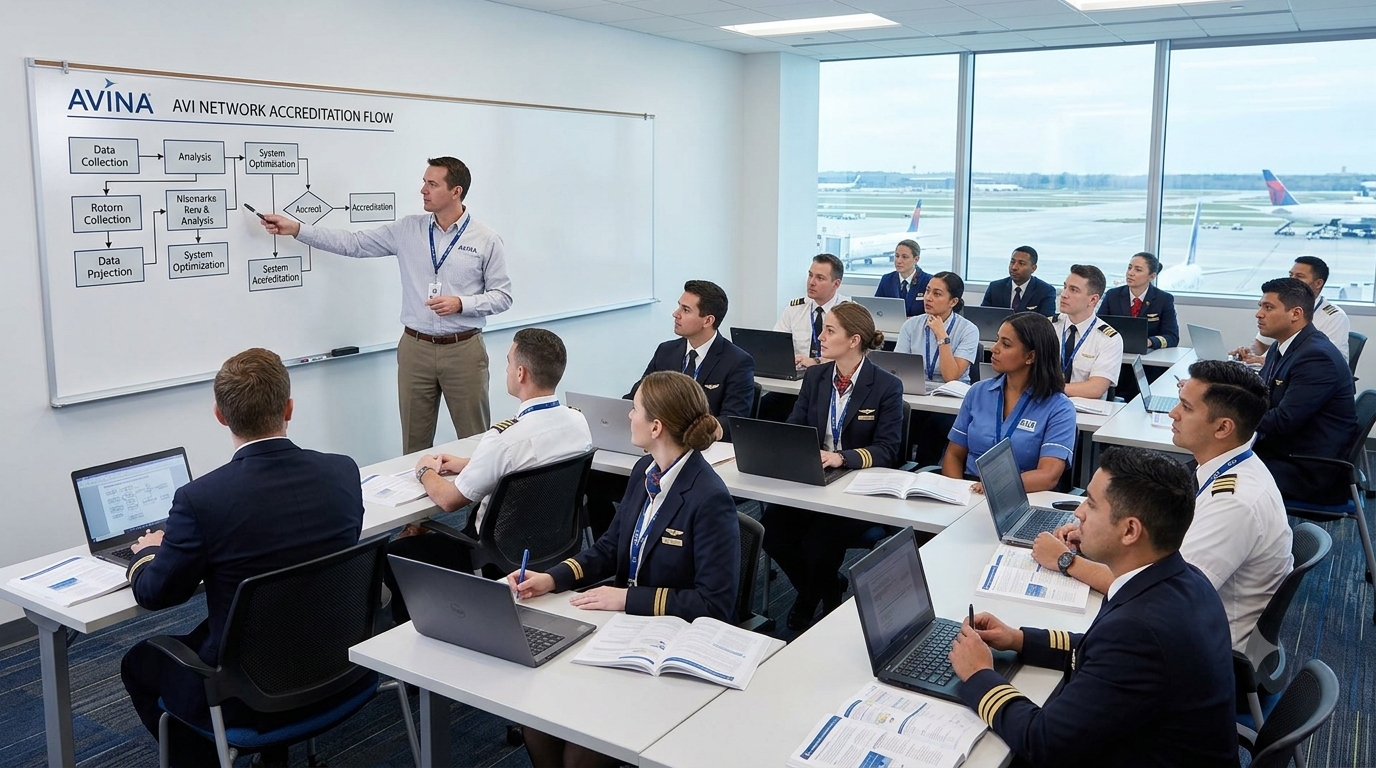
Certifications

Providing proper qualification, standard structures, and comprehensive IATA level certifications for the airport animal sector.

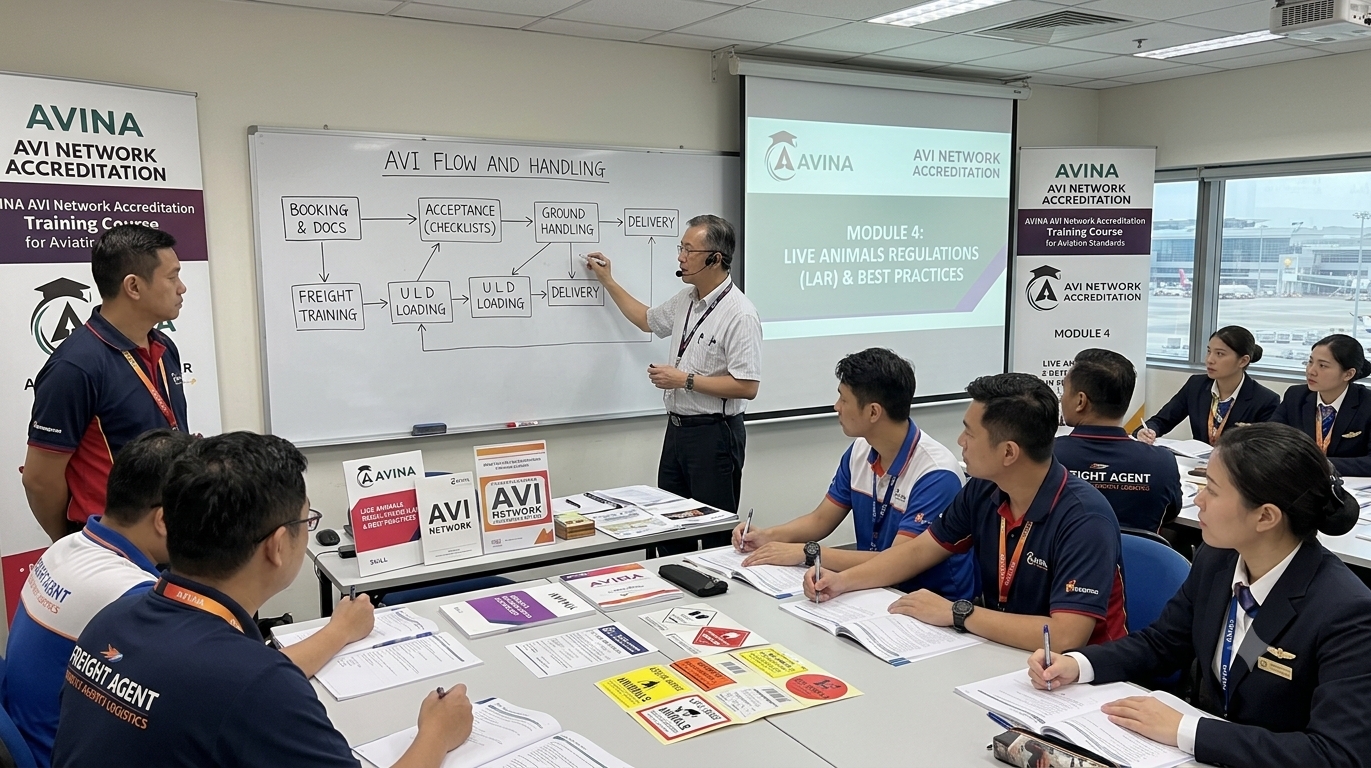
Training & Certification

Setting the transition standard to safely and effectively structure airport logistics for live animal operations.

Freight & Cargo Sector

Operating an airport animal division requires specialized, robust procedures. Our experience delivers the required foundational framework to structurally optimize freight logistics, animal containment, and safety routing.

AVIBOT autonomous unit transporting an animal kennel

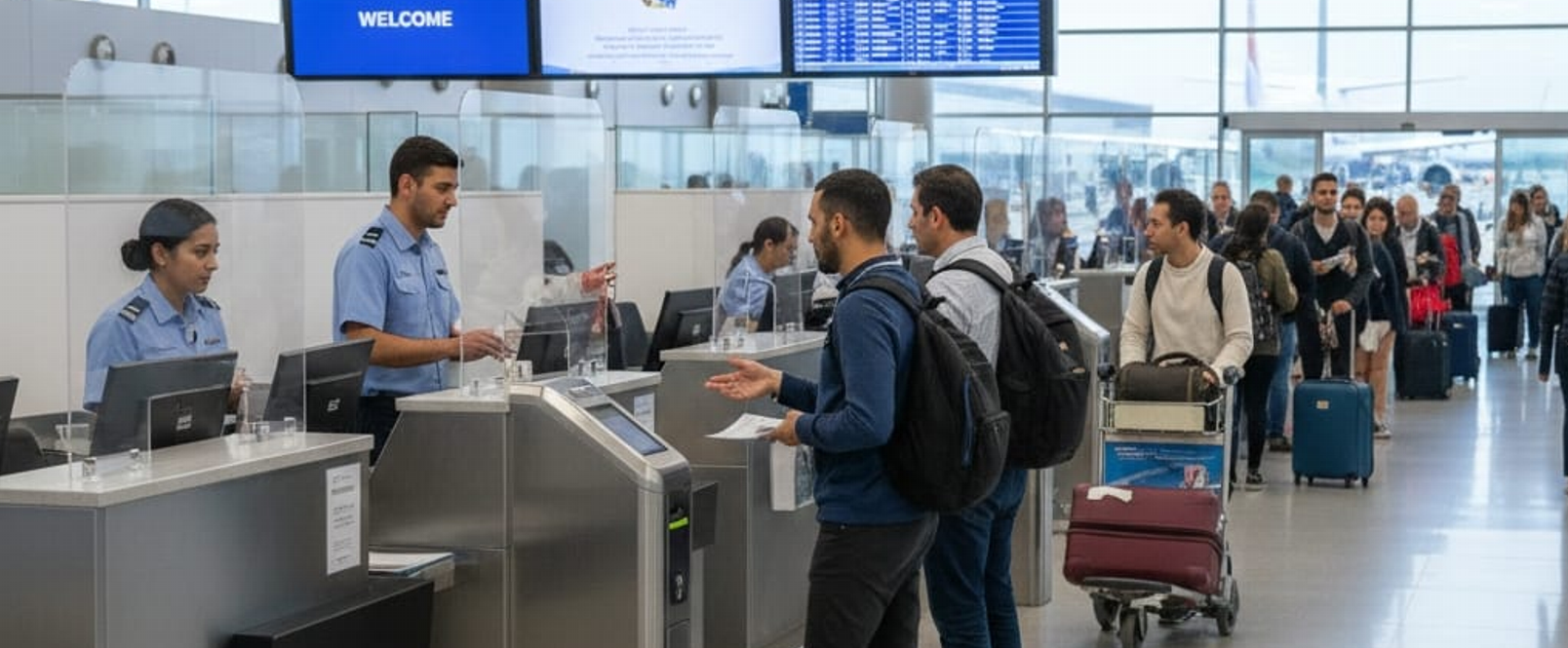
Passenger Operations

Proper qualification helps establish smooth execution across client-facing sectors. We ensure airport agents are properly trained to securely manage terminal handovers, check-ins, and complex biosecurity guidelines.

AVIBOT system loading animal cargo into a sterile transit zone

The Transition Standard: AVI Training Initiative

1. Why Formal Certification Matters

Operating the airport animal sector demands rigorous compliance. Lack of proper qualification creates severe operational vulnerabilities, risks biosecurity breaches, and directly threatens animal welfare during airport transit cycles.

2. What We Establish

  • IATA Level Certifications: Authoritative, globally-recognized benchmarks for handlers.
  • Freight Integration: Structuring warehouse, tarmac, and cargo hold practices.
  • Passenger Streamlining: Optimizing check-in, documentation, and care workflows.
  • Risk Mitigation: Standardized event mitigation frameworks to avoid cargo loss.

Leveraging Deep Industry Experience

Bridging the Capability Gap Together

AVI Handling is there to set this transition seamlessly. By embedding proven institutional expertise directly into airport workflows, our solutions support operators in establishing an exact, reliable architecture that elevates safety and regulatory integrity.

"We provide official IATA level certifications designed to empower airport facilities, safely aligning freight operations and passenger sectors with modern live animal transportation benchmarks."