Biohazard requirements
Prevention: Implement measures to prevent the introduction of diseases, such as pre-shipment inspections, health certificates, and import permits. Detection: Establish robust surveillance systems to detect potential outbreaks early. Response: Develop contingency plans for rapid response to disease outbreaks, including isolation, disinfection, and disposal of infected animals or contaminated materials.
Key Biosecurity Principles
The development of advanced biometric tracking directly shapes modern airport facility layouts. Transitioning from proximity scanning to automated biometric checkpoints requires dedicated, state-of-the-art spatial structures designed to safely manage and clear live animals without bottlenecking terminal traffic.
Airport Control Procedures
Verify import permits and health certificates for compliance with national and international regulations. Assess the risk profile of each shipment, considering factors such as the origin, destination, species, and quantity of animals. Identify high-risk shipments for enhanced screening and quarantine measures.
The AVI Handling Mission: Managing the Evolutionary Shift
1. Biosecurity Experience
Understanding the implications and the stringent procedures to implement in an airport can only come with experience. A 12 years implication in airport management and working with the right veterinarian ministries provides the right validation.
2. Dual-Sector Advancements
- Pre-Arrival Screening: Verify import permits and health certificates for compliance with national and international regulations. Assess the risk profile of each shipment, considering factors such as the origin, destination, species, and quantity of animals. Identify high-risk shipments for enhanced screening and quarantine measures.
- Arrival Inspection: Visually inspect animals for signs of illness or distress. Check for proper packaging, labeling, and ventilation. Verify the accuracy of accompanying documentation, such as health certificates, import permits, and manifests. Conduct temperature checks for perishable shipments.
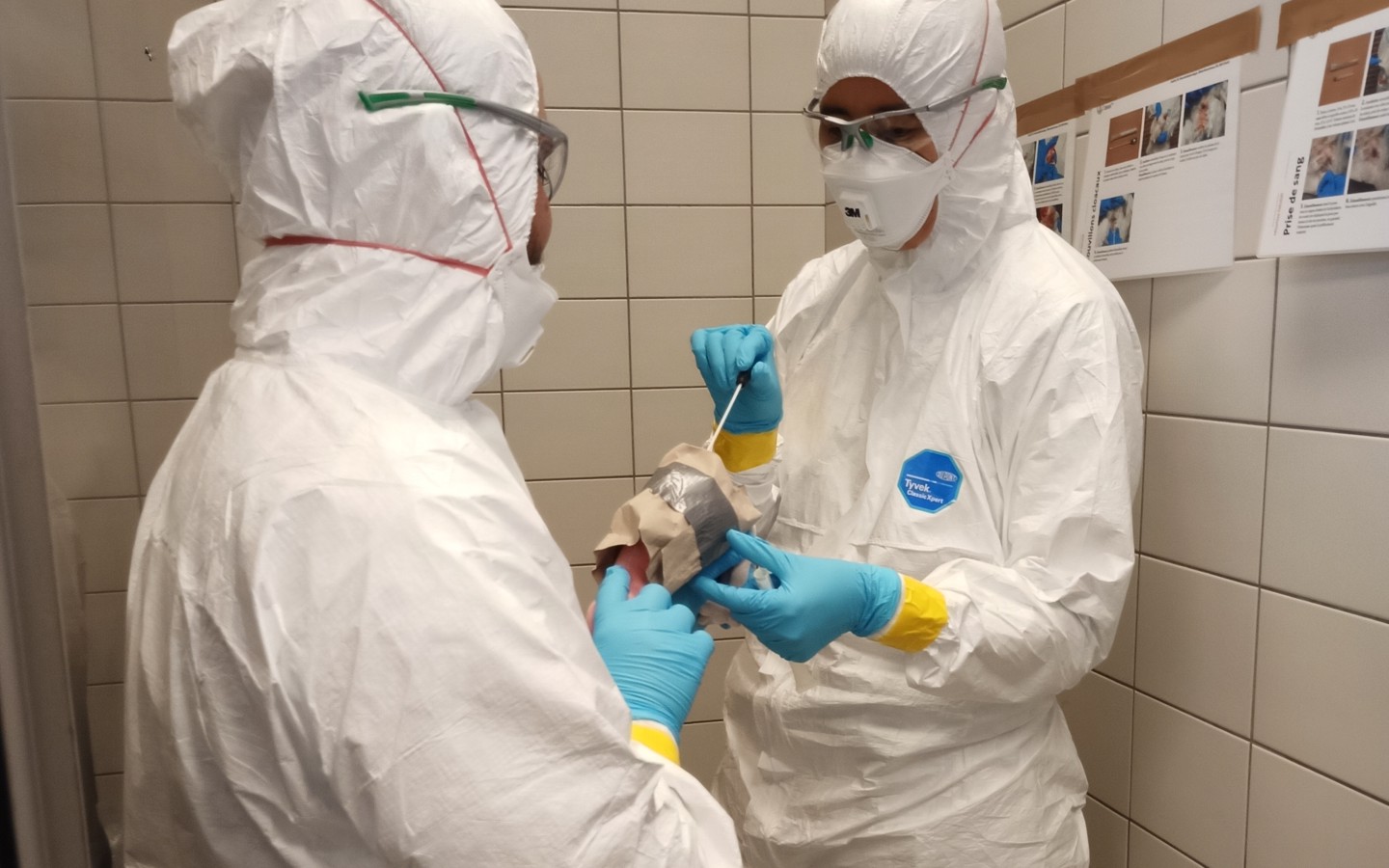
- Quarantine Procedures: Designate specific quarantine facilities for high-risk or suspect animals. Implement strict biosecurity protocols within quarantine areas, including controlled access, disinfection procedures, and personal protective equipment (PPE) requirements. Monitor animals for signs of illness and conduct necessary diagnostic tests. Isolate animals with suspected or confirmed diseases.
- Biosecurity Measures: Implement strict hygiene practices, including handwashing and disinfection of equipment. Use appropriate PPE, such as gloves, masks, and gowns, when handling animals or contaminated materials. Regularly clean and disinfect animal handling areas and quarantine facilities. Dispose of animal waste and carcasses in accordance with local regulations. Control access to quarantine areas and restrict movement of personnel.
- Emergency Response: Develop a comprehensive emergency response plan for dealing with disease outbreaks or other biosecurity incidents. Train staff on emergency procedures, including containment, notification, and response actions. Establish effective communication channels with relevant authorities, such as veterinary services and public health officials. Training and Awareness.